 GuerillaFi
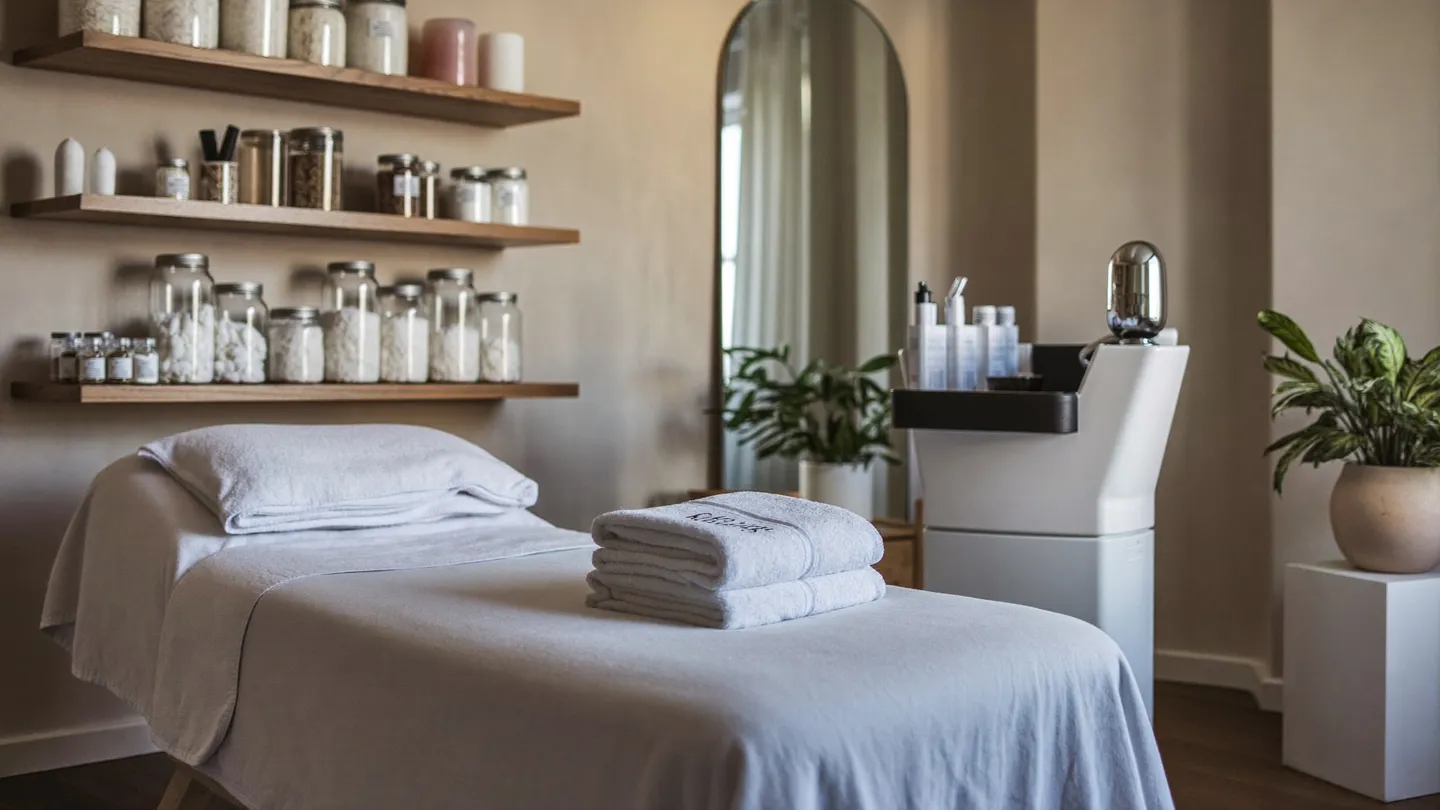
A Chandler studio should build around its real repeat-client routine. Downtown Chandler, the Price Corridor, and the Ocotillo area offer different contexts for appointments and travel. The useful question is not which area sounds attractive in an ad brief; it is which clients can book, arrive, and return to your actual studio.
Fit discovery around the client’s day
For some studios, proximity to work may matter; for others, clients choose a location near home. Use appointment records and enquiries to distinguish those patterns. Only describe access, nearby landmarks, or parking that your team has checked. A clear location page can reduce uncertainty before a first visit.
Avoid treating every Chandler search as an equally good lead. Geographic reporting and the CRM can show whether an enquiry becomes an appointment or simply asks about a location too far away. Tighten the catchment based on meaningful outcomes, not only the apparent reach of a campaign.
Make the service menu do more of the work
A potential client comparing studios needs clear service names, current availability, and the right booking destination. Maintain an accurate Google profile and landing page rather than forcing a caller to clarify basics the website could explain. Use approved images that represent the real experience.
Keep preparation, eligibility, and aftercare wording aligned with your studio’s team. Questions that require a professional assessment should reach a person. Marketing can make an appointment clearer without claiming that every service is suitable for everyone.
Track neighborhood search coverage honestly
Use a stable rank-grid search to understand visibility around your location. Google says relevance, distance, and prominence shape local ranking. A profile can be accurate and useful without appearing first in every direction.
Citations, review replies, weekly profile posts, and location content should reinforce truthful business information. Do not create fake locations or change the business name to include every keyword. Local SEO is a maintenance and improvement process, not a shortcut around proximity.
Use seasons as a test, not a forecast
Summer pool-season creative and winter visitor messaging may be worth testing when the services and calendar support them. Compare first-time bookings, return intervals, and cancellations to understand whether the season actually changes acquisition economics for your Chandler studio.
Do not let a promotion fill the only slots regular clients can use. Campaign planning should consider staffing and the next appointment, not just the first visit. A connected CRM makes it easier to inspect that balance with actual records.
Build the booking handoff before expanding spend
One managed platform can be a deliberate starting point. Google addresses active searches; Meta can introduce the studio visually. Before adding another platform, check whether the existing enquiry path reaches the calendar and whether follow-up has an owner.
An AI receptionist can answer configured administrative questions and help with available appointment options. It should escalate exceptions, respect consent, and notify your team when a request needs attention. The Command Center then becomes a view of the agreed metrics rather than a substitute for defining them.