 GuerillaFi
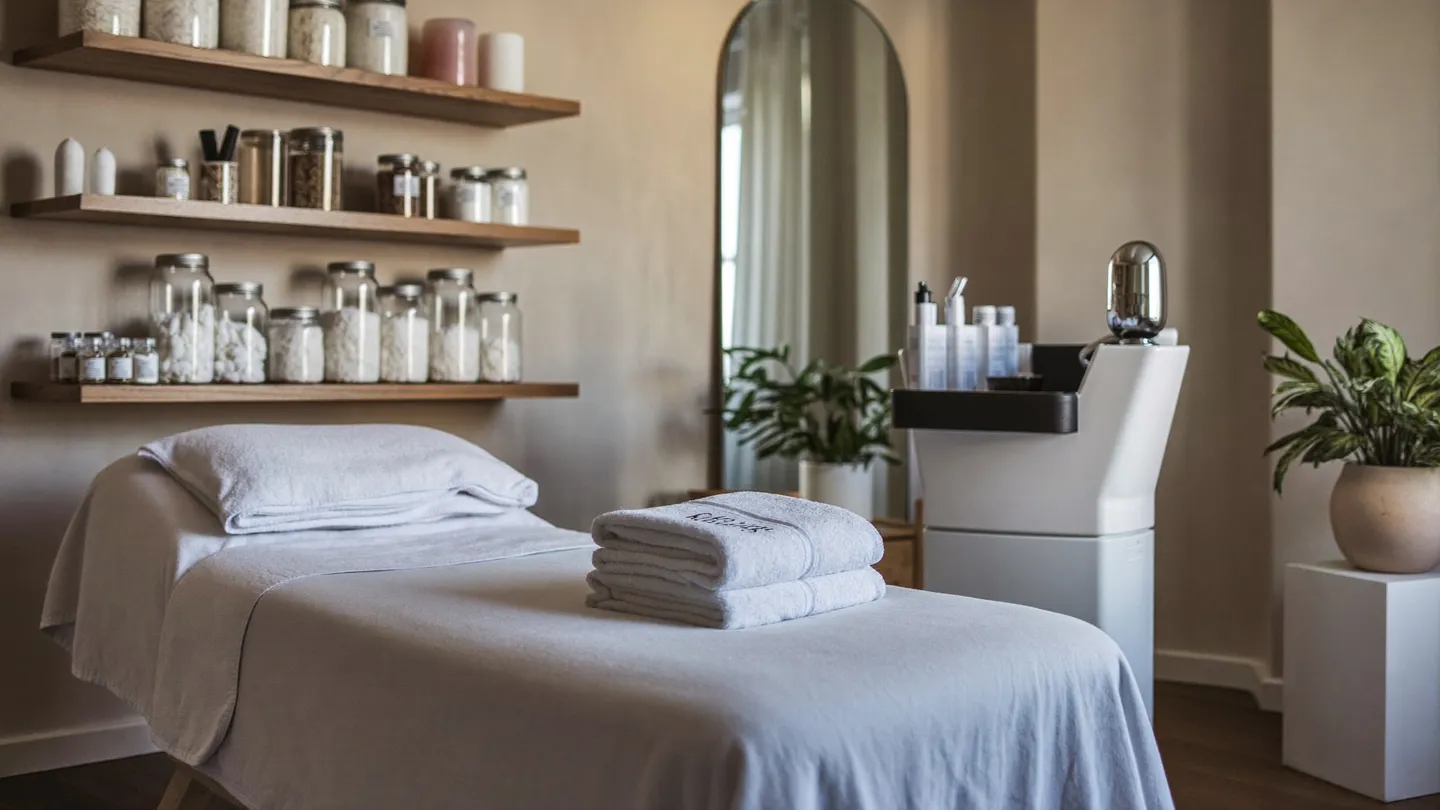
Mesa deserves more than a page with Phoenix replaced by another city name. A studio around Downtown Mesa, one near Dobson Ranch, and one serving Eastmark can have different client journeys. Begin with the services you want to grow, the locations clients already travel from, and the number of appointments your team can genuinely take.
Treat Mesa as several practical appointment areas
Use the actual studio address as the anchor. Downtown Mesa, Dobson Ranch, and Eastmark are useful examples of distinct local contexts, not automatic targeting segments for every business. Compare new and returning appointments by catchment before widening a campaign.
A page should help someone decide whether the trip makes sense. Give honest parking and entrance details, the real service menu, and a straightforward booking link. Do not create fictitious neighborhood branches or duplicate business profiles to appear closer to every searcher.
Build a local search baseline you can repeat
Record profile accuracy, service coverage, review handling, and visibility at stable grid points. Google describes local results through relevance, distance, and prominence; a studio cannot remove geography from that equation simply by posting more frequently.
Maintain useful photos, genuine hours, service descriptions, and a working destination. Reviews should be requested honestly and answered without identifying private appointment details. Citation consistency helps avoid conflicting contact information, but is not a standalone promise of top placement.
Let appointment history guide the seasons
Winter visitors may matter to some Mesa studios, while summer pool-season messages may fit others. Neither is a verified booking pattern for your business until the records show it. Compare weekly appointments, first-time versus returning clients, and the services booked before changing budgets.
Capacity matters as much as demand. If a few waxers have open weekday blocks, advertise genuine availability rather than a broad “fully booked” message. If returning clients need routine slots, avoid an acquisition push that makes rebooking harder.
Use an ad promise the studio can fulfil
A Google service search suggests active interest; Meta creative may create awareness earlier in the decision. Make the first-platform decision using tracking readiness and approved creative. A strong offer that cannot be booked on the landing page creates unnecessary front-desk work.
The page should match the service and location in the ad. Keep booking steps short, explain relevant terms, and confirm that the CRM can show the appointment options. Separate pricing questions and qualified appointments from generic clicks in the report.
Make follow-up accountable
Configure the AI receptionist with your approved voice and service rules, availability permissions, and a handoff when it cannot answer. A request about a reaction or a medical condition should not receive improvised clinical advice. Text follow-up must follow consent and opt-out requirements.
A Mesa growth plan is working when the reporting can connect the enquiry to a real outcome: booked, attended, rescheduled, or lost. Establish the baseline before launch and document which parts of the journey changed. Do not treat demonstration counters or a rank-grid animation as verified results.