 GuerillaFi
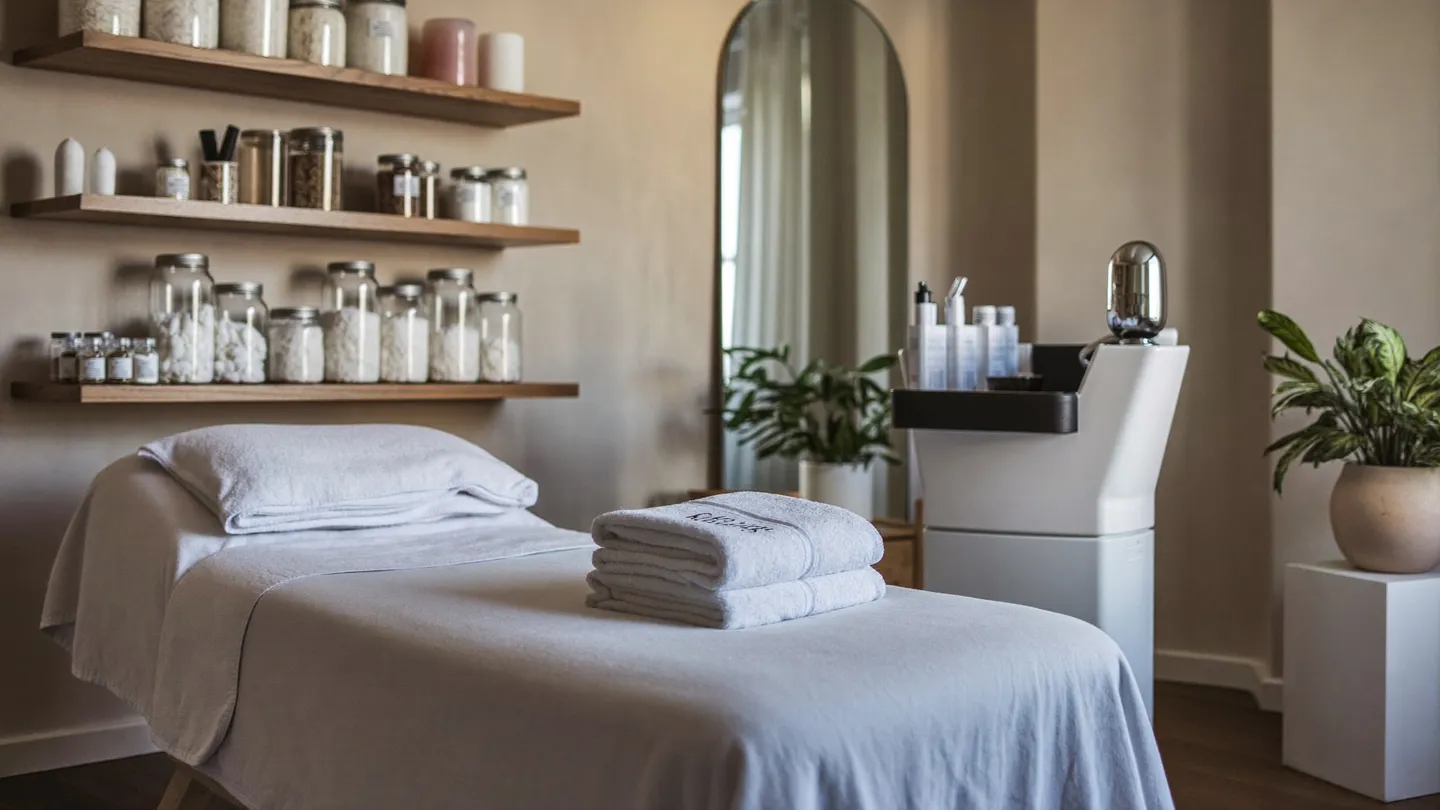
Tempe combines residential routines with a university, commercial corridors, and mixed-use activity. A studio near Downtown Tempe or Mill Avenue should not assume it has the same audience as one serving South Tempe. Your marketing needs to explain convenience for the clients you can actually serve, and your calendar needs to support the appointment options you advertise.
Use the real location, not a generic student stereotype
ASU and Downtown Tempe may be relevant landmarks for a nearby studio, but not every client is a student. South Tempe residents may prioritize routine appointments around work and family. Write for the actual catchment reflected in bookings rather than reducing the city to one audience.
Where appropriate, explain parking, arrival, and the path from nearby commercial areas. Do not imply university affiliation or use institutional branding without permission. A useful location page makes a real appointment easier; it does not borrow credibility from a landmark.
Test calendar changes around the academic year
A studio whose clients include students can compare booking patterns around term changes, breaks, and graduation periods. The academic calendar is a planning input, not proof of salon demand. Separate returning local clients from short-term visitors and avoid assuming every break produces the same effect.
Summer pool-season messaging may be relevant if appointments support it, while quieter periods may call for retention rather than aggressive acquisition. Track service mix and repeat booking windows. Filling discounted first visits without room for returning clients can create a calendar problem instead of solving one.
Make local search a clear route to booking
Keep Google Business Profile services, hours, categories, and booking links accurate. Tempe’s mixed-use context makes a clear entrance description useful for some locations, especially when street-facing signage does not tell the whole story. Use actual photos rather than stock images that misrepresent the studio.
Measure ranking at consistent points in your catchment and treat proximity honestly. A rank grid shows coverage for one search at a moment in time; it does not prove revenue. Pair profile interactions with appointments where you can track the connection.
Explain a first visit without adding friction
Some enquiries will ask basic service questions. A landing page can clarify what your studio offers, appointment length as approved by the team, location, and how to choose a slot. Keep preparation and aftercare guidance approved by qualified staff and avoid medical advice.
Google ads can match specific searches; Meta creative can introduce the experience. Either path should lead to the same accurate booking information. Test actual completed bookings rather than treating video engagement as a full acquisition result.
Respond when the front desk is busy
An AI receptionist can handle configured availability and common administrative questions when the team is with a client. It needs a clear escalation route for sensitive-skin concerns, exceptions, and requests it cannot safely resolve. A fast answer is not useful if it is invented.
Use permission-based follow-up, respect STOP requests, and keep appointment information out of public review replies. Read the outcome in your CRM: scheduled, attended, cancelled, or rebooked. That distinction keeps a busy Tempe campaign connected to a sustainable studio routine.